
Laguna de los Tres: The Trek where Patagonia takes your breath away

Laguna de los Tres:
The Trek where Patagonia takes your breath away

SEPTIEMBRE 2026
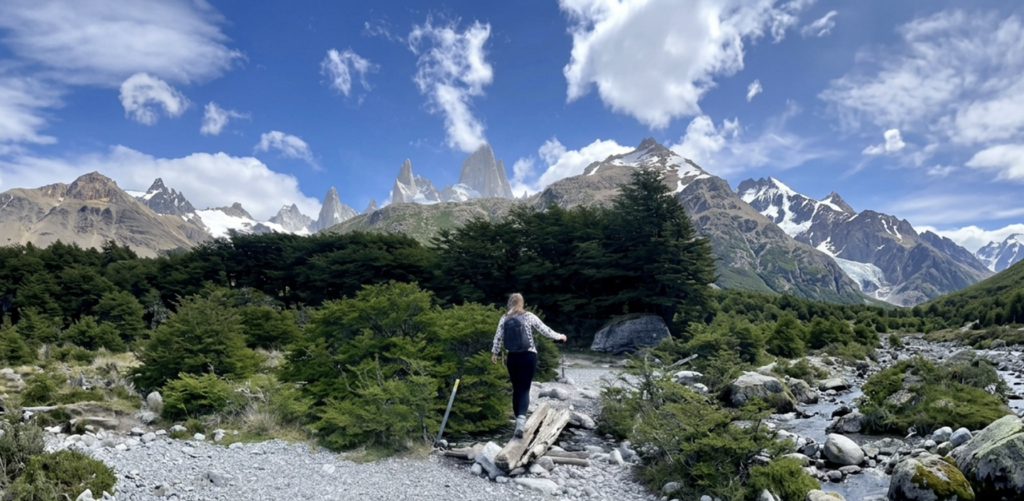
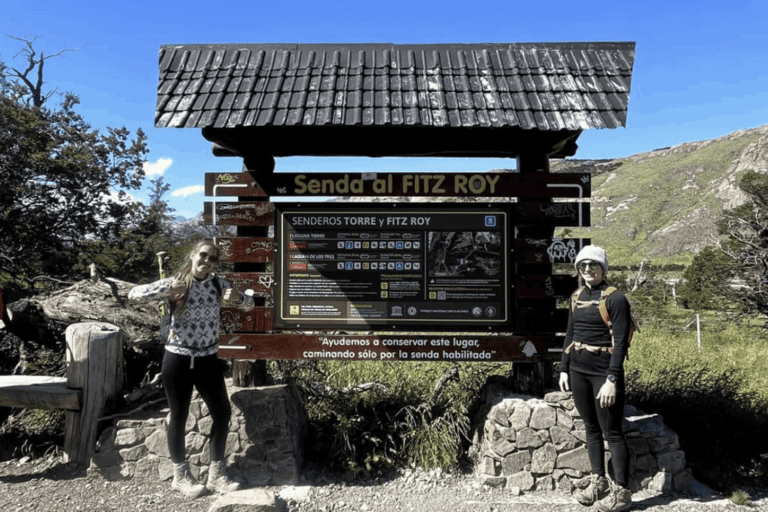
There’s a moment, somewhere on the trail to Laguna de los Tres, when you stop walking without meaning to. Not because your legs need it — though by then, they probably do — but because Fitz Roy has just come into full view for the first time, and something in your chest simply won’t let you keep moving.

This is the story of that day.

Before Sunrise

It starts in darkness, in the small mountain town of Chaltén, where the streetlights are still on and the peaks around town are just black shapes against a lightening sky. There’s a particular kind of quiet that exists only in the minutes before a big hike — boots being laced, headlamps clicking on, someone whispering “is this really happening?” to no one in particular.

Because it is. Somewhere out there, hidden behind the dark silhouette of the mountains, is one of the most famous, most photographed, most dreamed-about peaks on Earth. And by lunchtime, you’re going to be sitting right in front of it.

The Mountain Reveals Itself

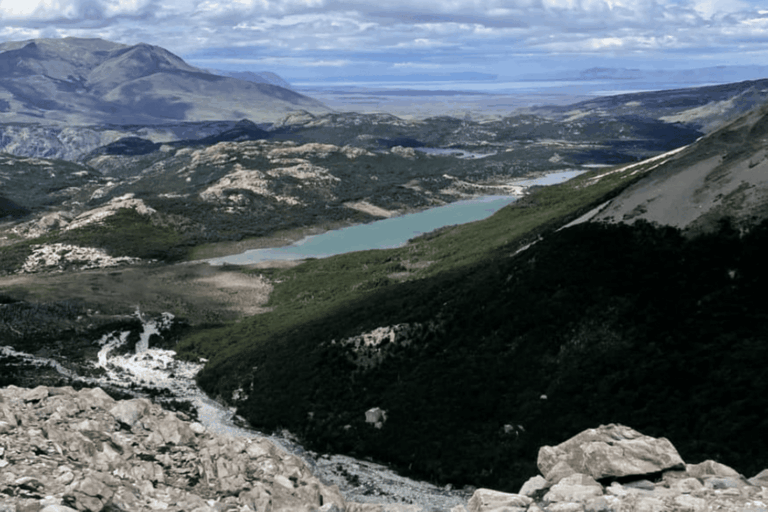
The trail doesn’t rush you into the big reveal. It makes you earn it — winding first through golden grasslands, then into hushed forests of southern beech, their leaves rustling in a wind that seems to be blowing in from the edge of the world. And then, almost without warning, the trees fall away and there it is.

Fitz Roy.

A jagged crown of granite spires clawing straight up into the sky, so sharp and so improbable that your brain needs a second to accept it’s real and not some painted backdrop. For the rest of the hike, it never really leaves your sight — appearing and disappearing behind ridgelines, teasing you closer, daring you to keep climbing.

Where the Trail Fights Back

Every legend has its trial, and this one comes in the final two kilometers — a punishing, rocky climb that turns the trek from a walk into something you feel in your legs, your lungs, your heartbeat. Patagonia doesn’t do gentle. One moment the sun is warm enough for t-shirts; the next, wind and rain sweep in sideways and send everyone scrambling for another layer. The mountain has its own moods, and today, you’re a guest in them.

But that’s exactly what makes the final steps feel earned rather than given.

The View That Stops Time

And then, suddenly, the climbing is over.

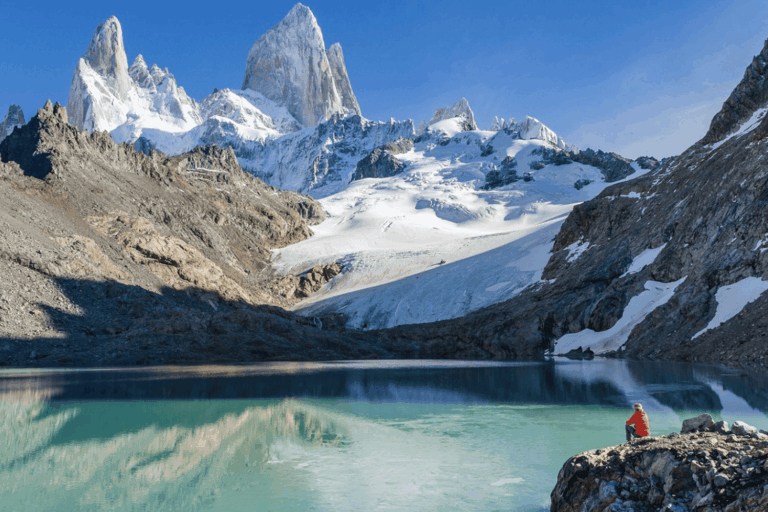
The trail crests one last rise, and Laguna de los Tres spreads out below — a glacial lake in colors that don’t quite have names, ringed by ice and stone, with Fitz Roy rising directly behind it like it’s been waiting for you the whole time. It’s the kind of view that silences a group of strangers all at once. Packs drop. Cameras come out. Someone starts crying and pretends it’s the wind.

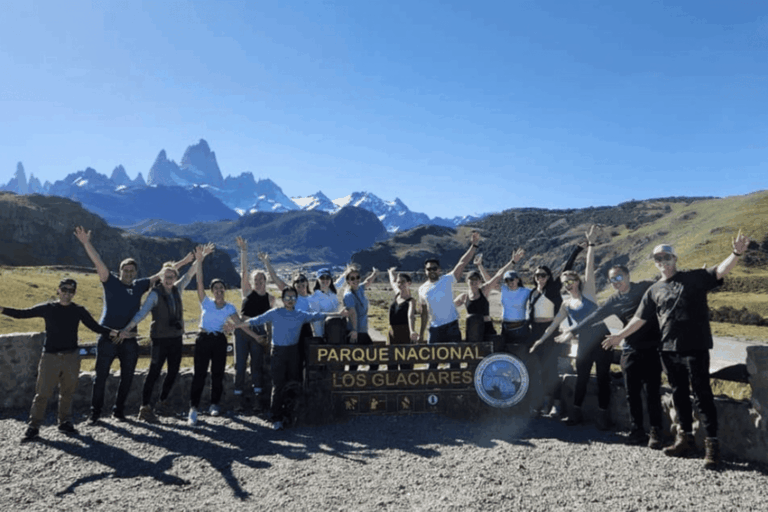
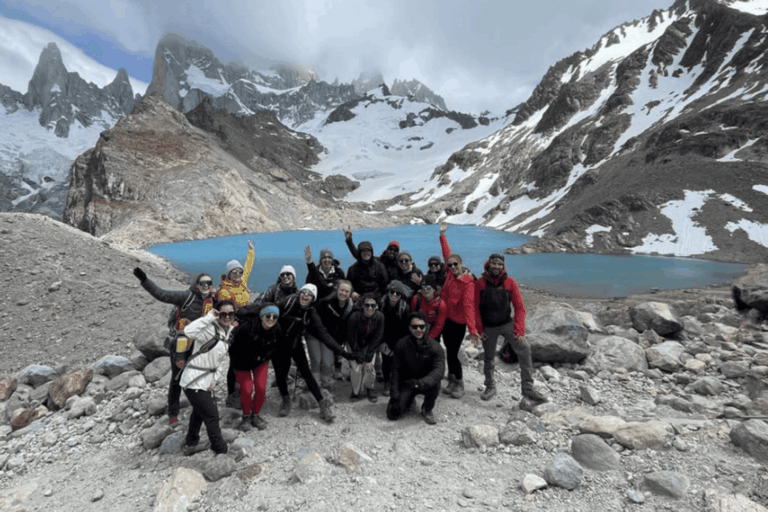
You eat lunch here, at the foot of one of the most extraordinary mountains in the world, legs aching and heart absolutely full. Strangers who started the morning as travel companions become friends who shared something that can’t quite be explained to people back home — you just have to feel it for yourself.

Carrying It Back Down

The descent feels different. Lighter, somehow, even though your legs disagree. There’s time now to actually look — to watch Fitz Roy shrink slowly behind you, to notice details you missed on the climb up, to let the whole day settle into memory before it’s even over.

That night in Chaltén, over dinner and Argentine wine, the stories come pouring out — the wind on the ridge, the exact second the lake appeared, the moment someone almost turned back before finding the strength to keep going. And somewhere in that conversation, almost without fail, someone asks the question that Patagonia leaves in everyone who visits:

When can I come back?

Fitz Roy is waiting. Some views can be described — this one has to be earned, one step at a time, through some of the wildest and most beautiful terrain on the planet. Patagonia isn’t just a destination. It’s the story you’ll be telling for years.

So don’t just imagine standing in front of Fitz Roy — start planning the trip that gets you there. Contact us today and let’s build your own unforgettable journey through Patagonia, from the first step on the trail to the last toast at dinner.
Luxury travel acorss South America
Designed with care and delivered flawlessly
IDEAS SOUTH AMERICA LLC

Immersion in Chile: Markets, Stories, and a Kitchen with a View of the Andes

Immersion in Chile:
Markets, Stories, and a Kitchen with a View of the Andes

SEPTIEMBRE 2026

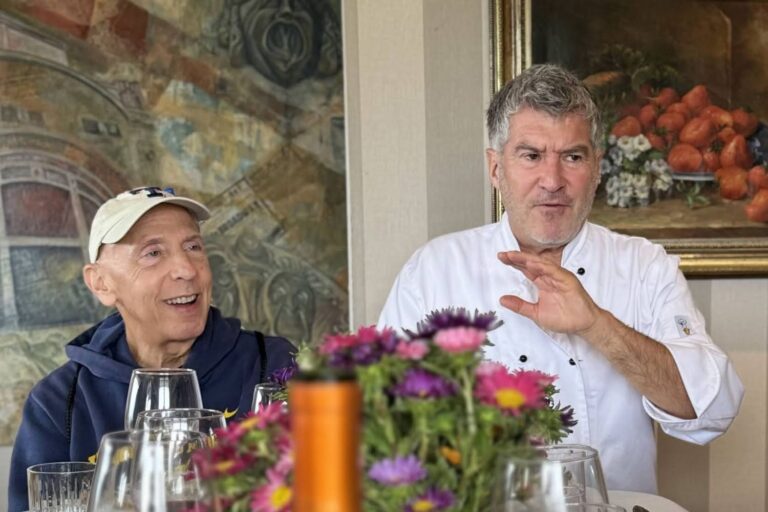
We had just finished an unforgettable trip through Argentina and Mendoza, and instead of heading home, six of us — three couples — decided to keep going and cross into Chile. It was Silvina, from Ideas, who insisted we meet Chef Tatán. “This isn’t a cooking class,” she told us. “It’s more like Anthony Bourdain — markets, stories, real people.” That was enough to convince us.

Mid-October, Chilean spring, mid-70s and not a cloud in the sky — the kind of morning that makes you want to walk slowly.

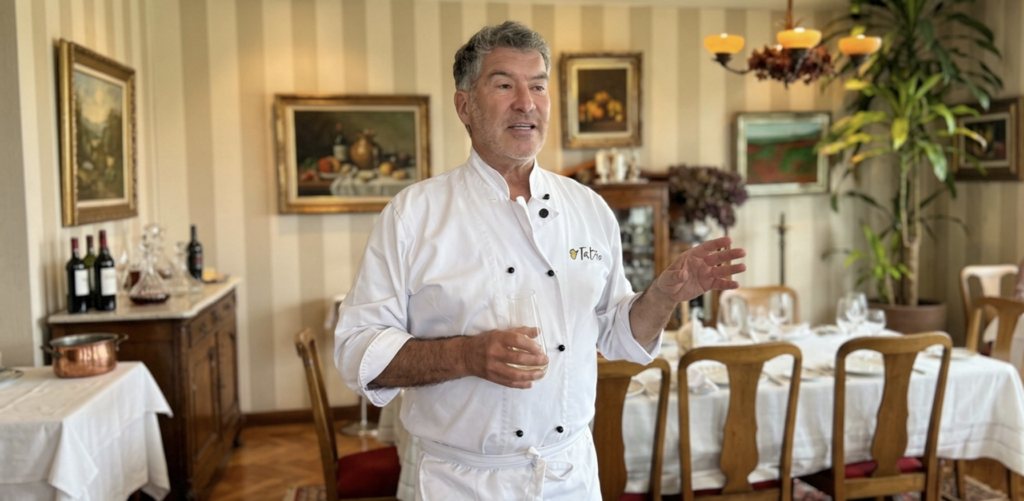
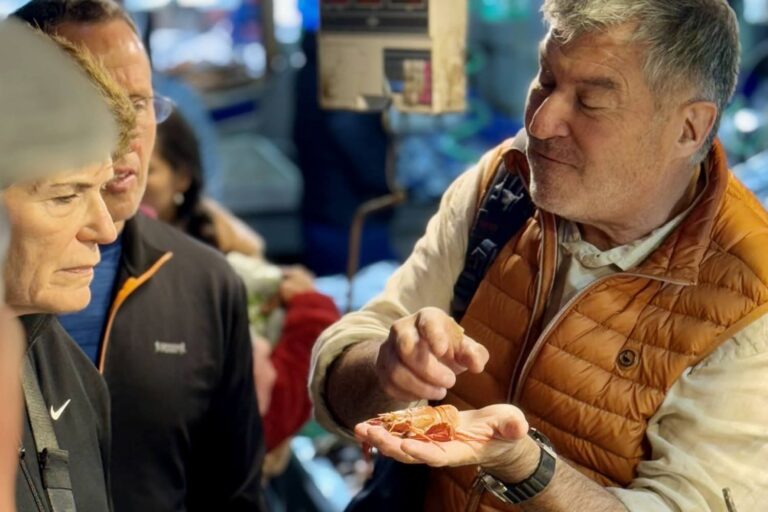
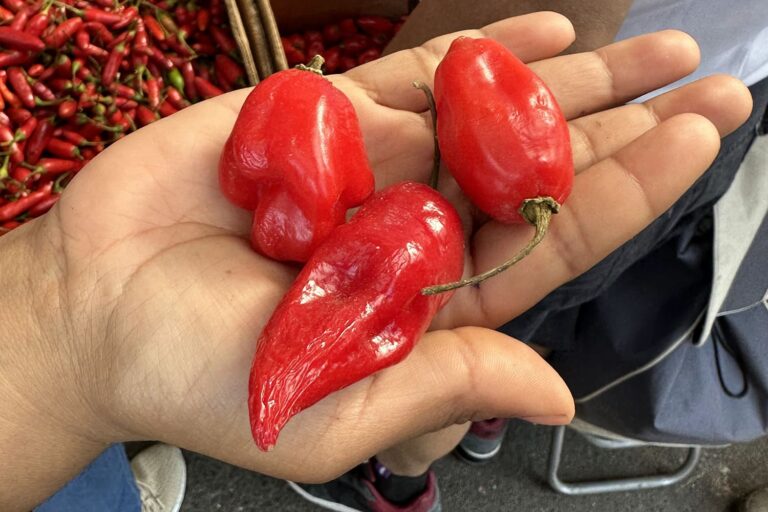
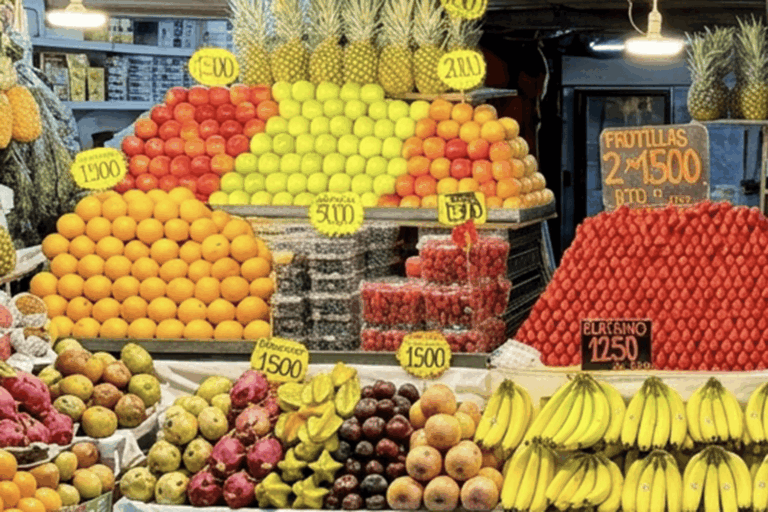
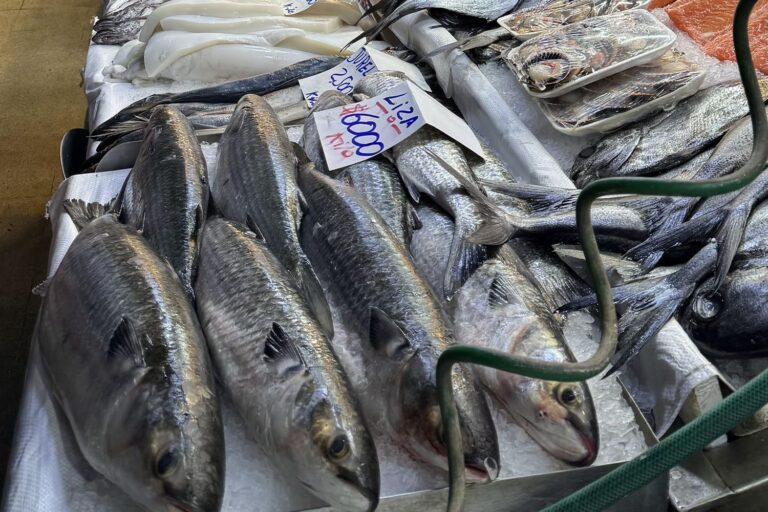
Tatán picked us up at 10 AM, and within minutes it was clear this wasn’t a tour. It was an invitation into someone’s life. At Mercado Central, he moved through the stalls like he owned the place — because in a sense, after years of buying there, he does. Fishmongers called him by name. He’d stop at a catch we didn’t recognize, pick it up, and tell us exactly where it came from and how it had been prepared in Chile for generations. At La Vega, the colors alone were overwhelming — mountains of fruit, herbs we’d never seen, vendors calling out the morning’s prices — but Tatán slowed everything down, turning a walk-through produce into a lesson on what actually makes Chilean food Chilean. We weren’t just watching him shop. We were learning to see the market the way he does — as a living archive of the country’s history.

That’s what makes Tatán different. This is a man who spent fourteen years running operations for an international company, then walked away to open his own restaurant, one that spent eight years ranked among Santiago’s best. He didn’t build this experience to fill his calendar — he built it because after a lifetime in kitchens and sixty countries of travel, he had something rare to share: not just recipes, but the why behind them.

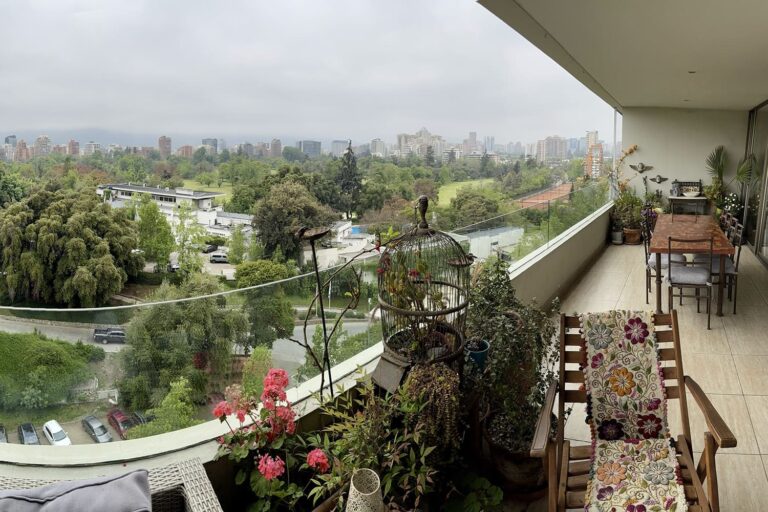
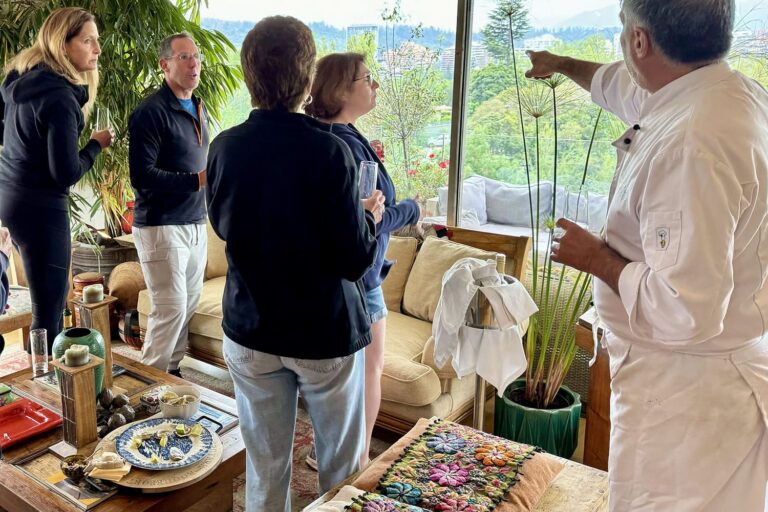
Bags full of ingredients, we followed him home, up to his terrace in El Golf, where the Andes suddenly filled the whole sky. Pisco sours in hand, Pacific oysters, a crisp Sauvignon Blanc from Casablanca Valley — and a kitchen that became ours for the afternoon. We built cardamom ceviche together, laughed over who chopped better, and slowly turned his charquicán into lunch, the six of us shoulder to shoulder with a man who cooks like it’s an act of love, because to him, it is. By the time we sat down to eat, the spring sun warm on the terrace, wine poured all around, we weren’t guests anymore. We were just people sharing a table, a view, and a very good afternoon.

If you’re the kind of traveler who’d rather sit at a stranger’s table than a restaurant’s, who wants to understand a country through what it eats rather than what it shows tourists — this is the experience you’re looking for.

Don’t just visit Chile. Let someone like Tatán show it to you. Reach out to Ideas and ask their team to build this into your next trip — some experiences you can’t plan yourself. They have to be handed to you.


Luxury travel acorss South America
Designed with care and delivered flawlessly
IDEAS SOUTH AMERICA LLC

Argentine Country Hospitality at Its Finest: Estancia Los Patos

Argentine Country Hospitality at Its Finest: Estancia Los Patos

SEPTIEMBRE 2026

"Quite simply the time of my life — I will be back for sure."

There are places you visit, and there are places you inhabit, even if only for a couple of days. Estancia Los Patos was the second kind for me. I’m telling you this upfront, because I want you to know what you’re getting into if you decide to go: it’s not just another country hotel. It’s a family home that was generous enough to open its doors to me.

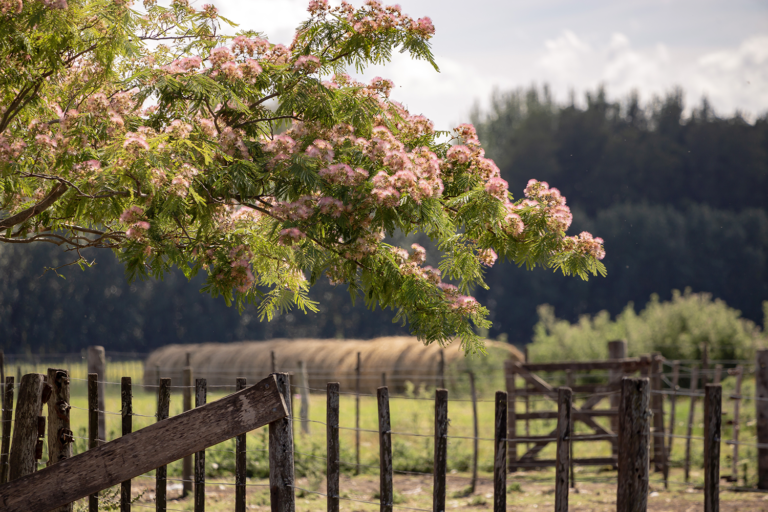
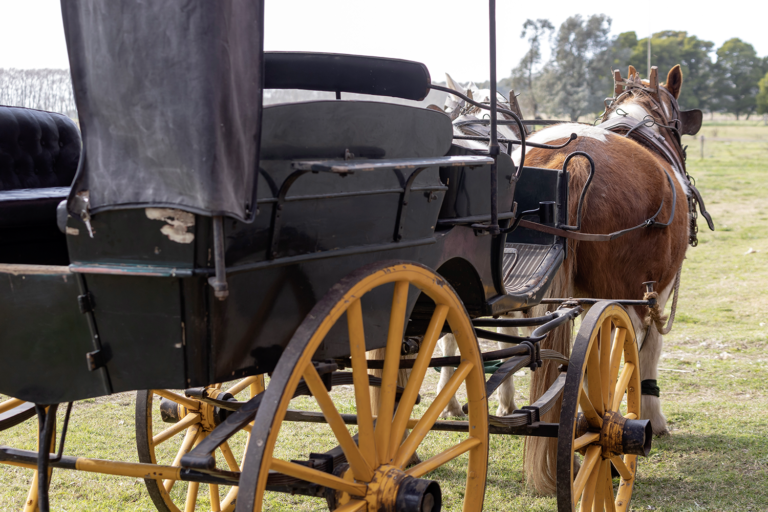
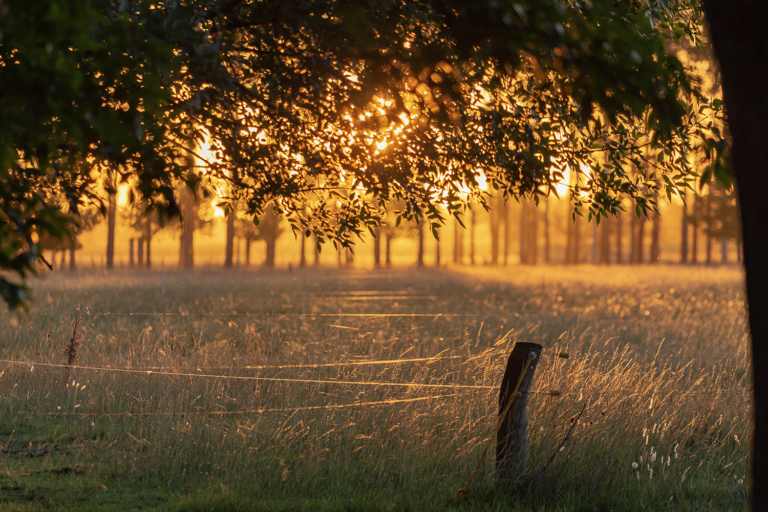
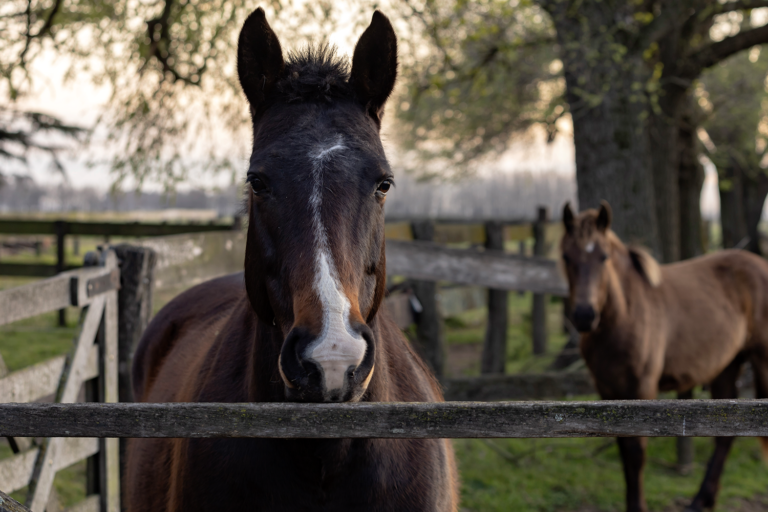
I arrived down a dirt road lined with poplars, the pampa horizon stretching out as far as I could see, and the first thing I felt was that the place breathed history. Not the brochure kind, but the real history of a family rooted in that land for more than 250 years. I quickly understood that the Estradas aren’t just landowners — they’re as much a part of the landscape of San Miguel del Monte as the lagoons scattered across the property, or the horses grazing along the inner road as I drove in.

A Host I Won't Forget

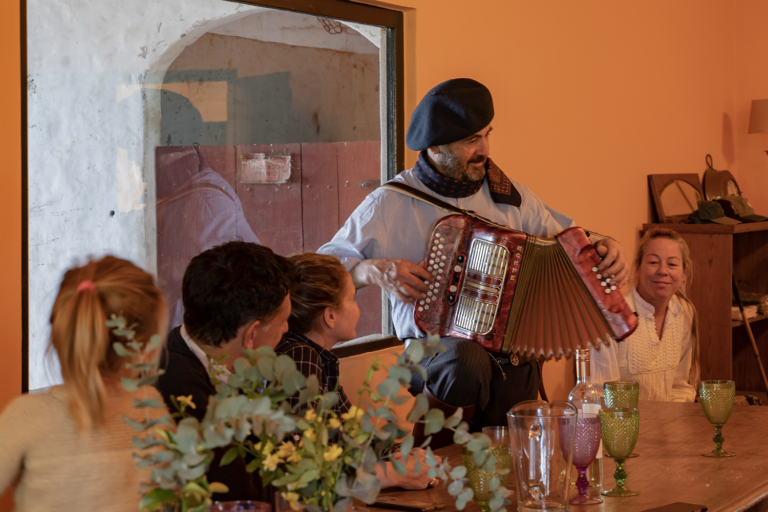
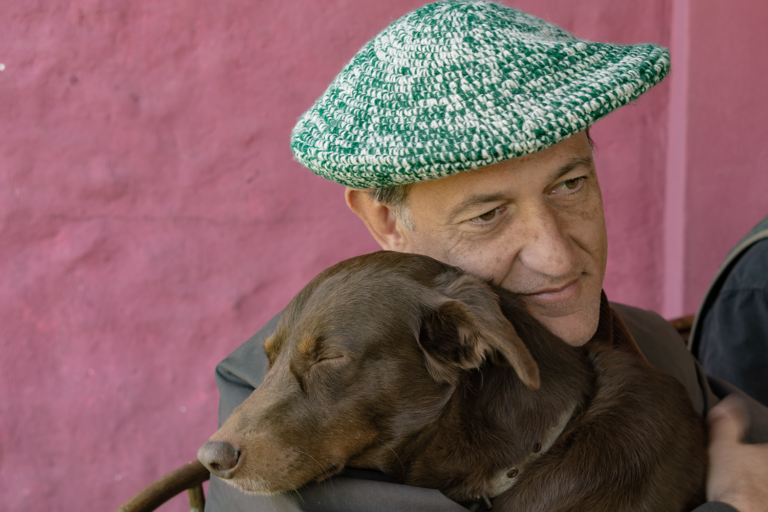
There was Ángel Estrada, waiting for me. Calling him “a great host” would be underselling it. Ángel is the kind of person who turns a meal into a lesson in Argentine history without you even noticing — before long I found myself talking about Liniers, Rosas, and Videl Dorna, the family’s ancestors who still have descendants scattered across the neighboring estancias, as if they were my relatives too. For a while, in a way, they almost were.

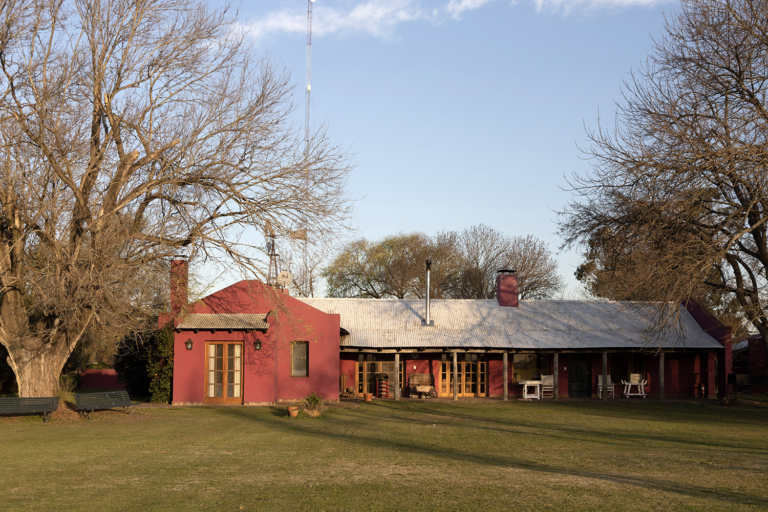
He’s a cultured man, a generous conversationalist, and he understands country hospitality in a way few people do: not as a service, but as a gesture. He showed me around the house he built himself back in 1969, later expanded with new bedrooms as more American and European guests arrived, drawn to exactly the kind of experience I was about to have. He did it with the quiet pride of someone who doesn’t need to convince you of anything — the house speaks for itself.

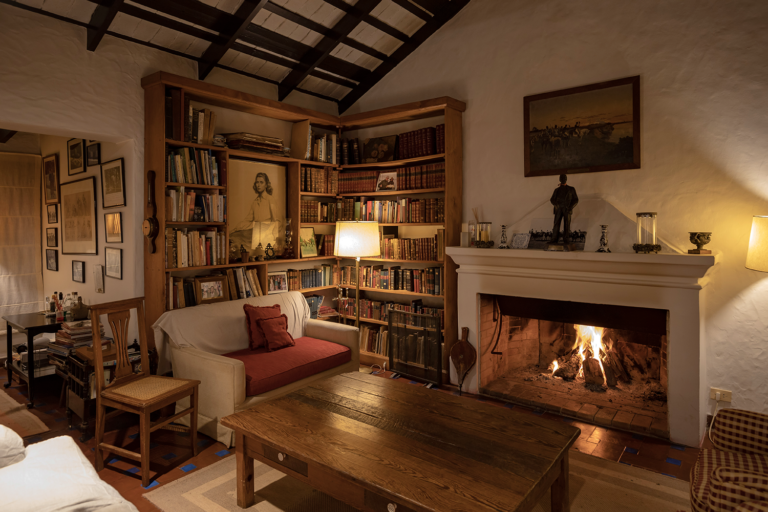
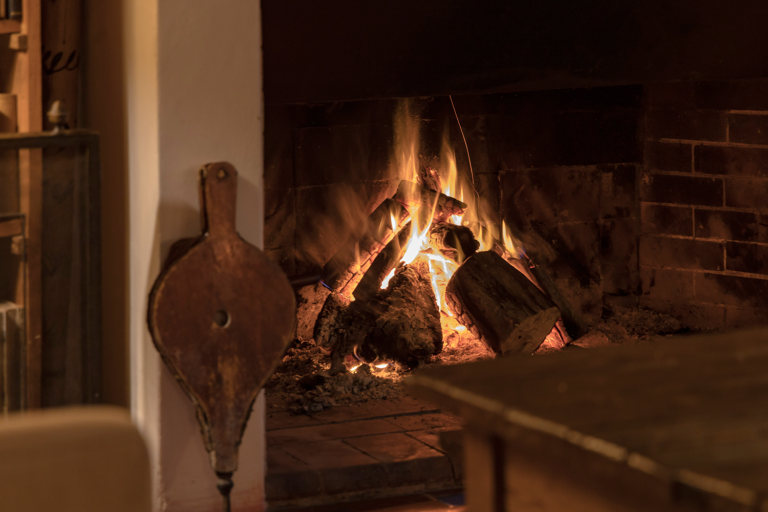
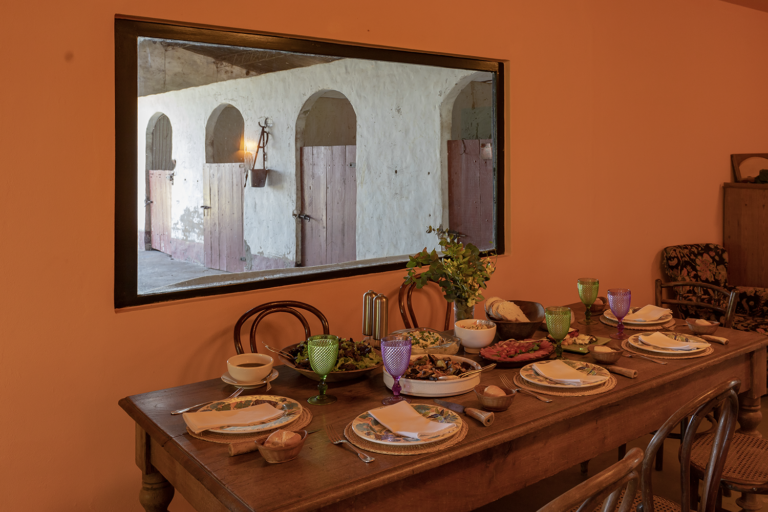
And it does speak, quite literally. The walls are lined with bookcases. There’s a fireplace that seems to have been burning for centuries. Every piece of furniture has a story, and around the dining table, between courses, Ángel brought the ancestors back to life in conversation. I looked out the windows and saw the pampa stretching flat and endless, exactly as generations before me once saw it.

My Days at Los Patos

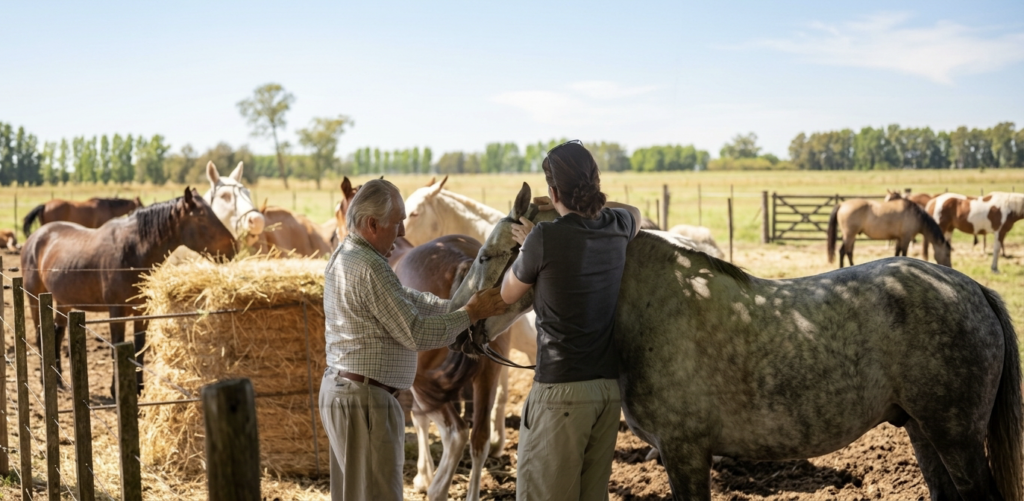
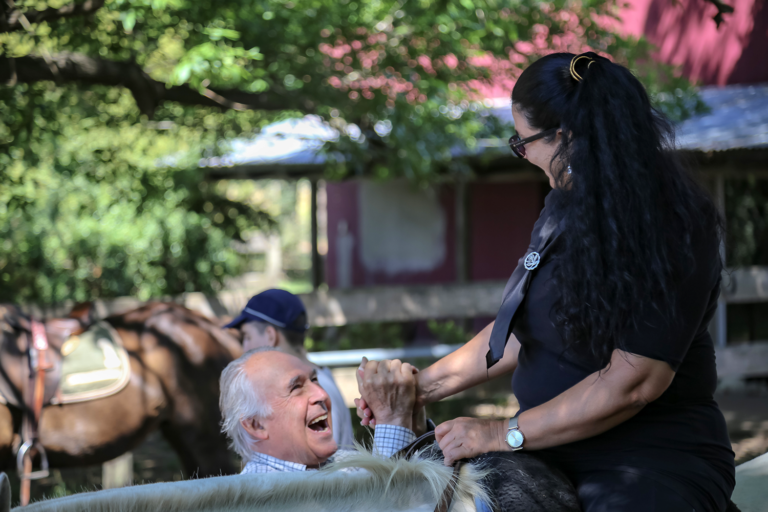
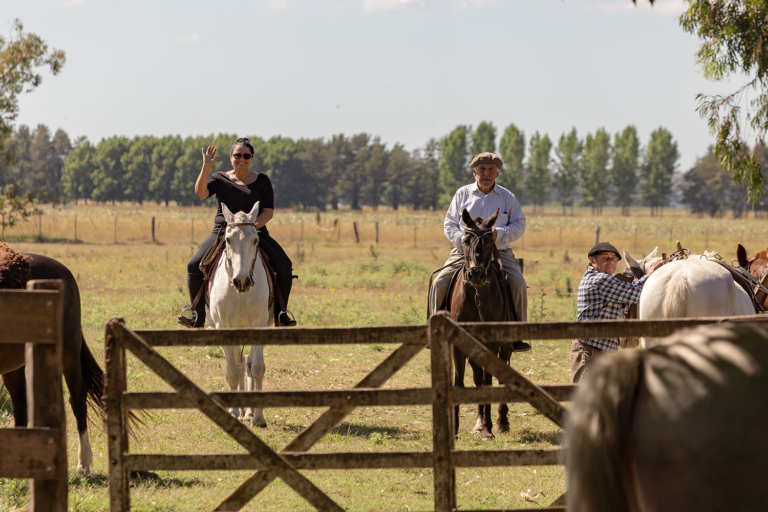
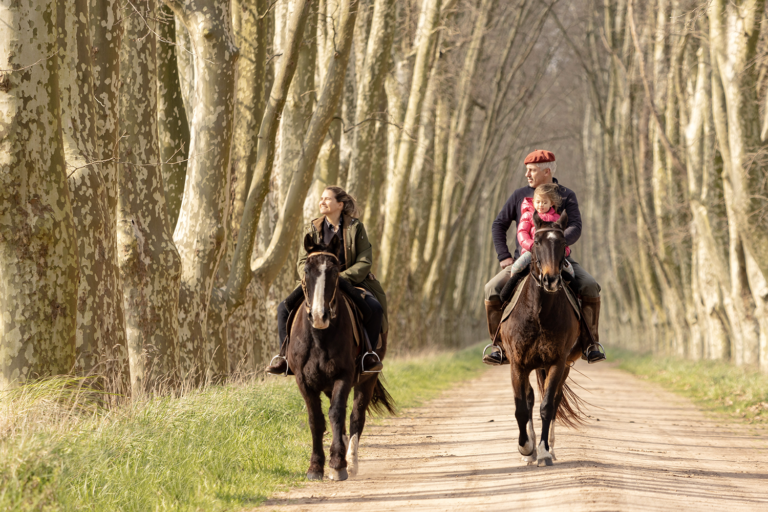
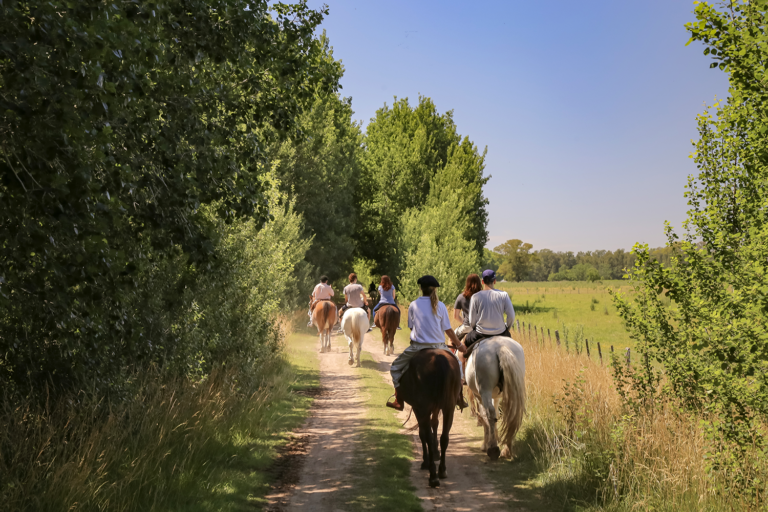
There, the horses set the pace, not the clock. I rode out across the inner roads and pastures on horseback, checking in on the cattle the way it’s always been done — and still is. Since I genuinely enjoy ranch work, I pitched in: brushing a horse, bathing it, feeling that quiet bond that only makes sense to people who love being around them.

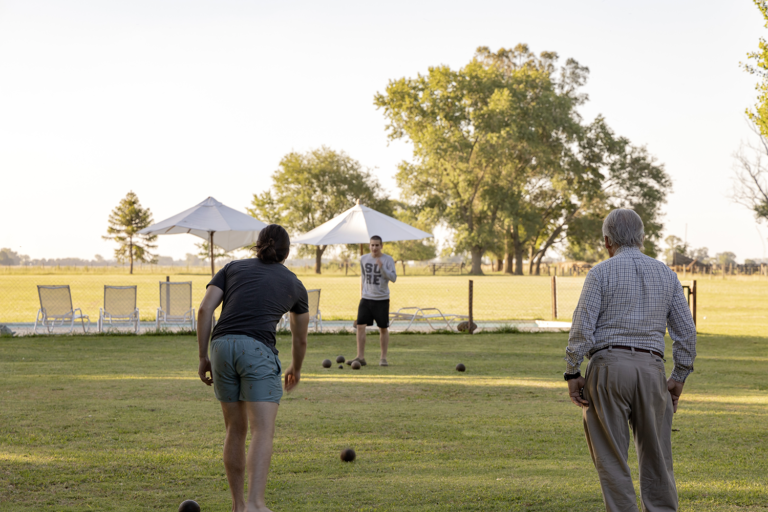
Then late afternoon rolled in — that hour when the estancia’s lagoons fill with birds crossing the sky in great flocks — and that’s when I understood why people keep coming back to Los Patos. Because there, polo isn’t a sport you explain, it’s one you live. It’s the family’s great passion, and Ángel told me all about it with that mix of pride and eagerness to share that only comes from people who truly love something.

One day I went out to see the town of San Miguel del Monte, with Ángel along, bringing every corner to life with a story. What was once Rosas’s ranch is still preserved there, along with a plaza and its colonial-style church, a waterfront along the Monte lagoon, and a handful of country shops — like León de la Sierra — where I found riding trousers, espadrilles, boots, crafts, cheeses, and regional sausages that I took home as souvenirs.

Given how close it is to Buenos Aires, it could have been just a day trip. But I wanted to really sink into country life — falling asleep to the silence of the pampa, waking up to the horses — so I stayed a few nights. It’s a family home with just a handful of rooms, so the service was deeply personal the entire time.

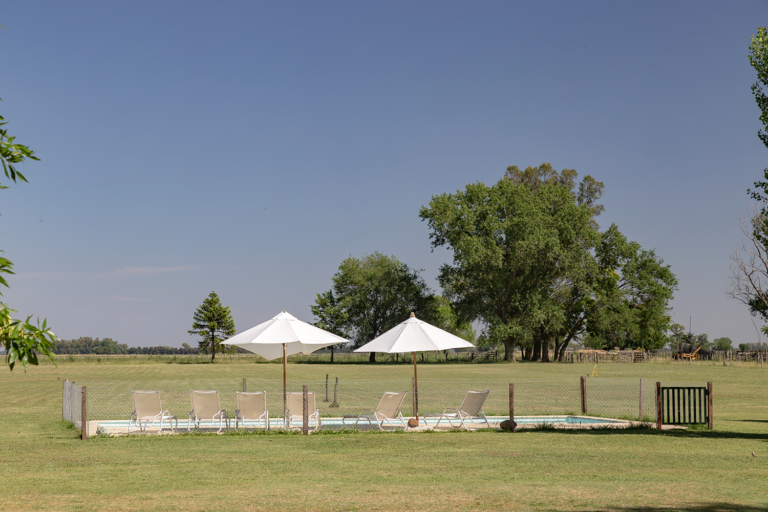
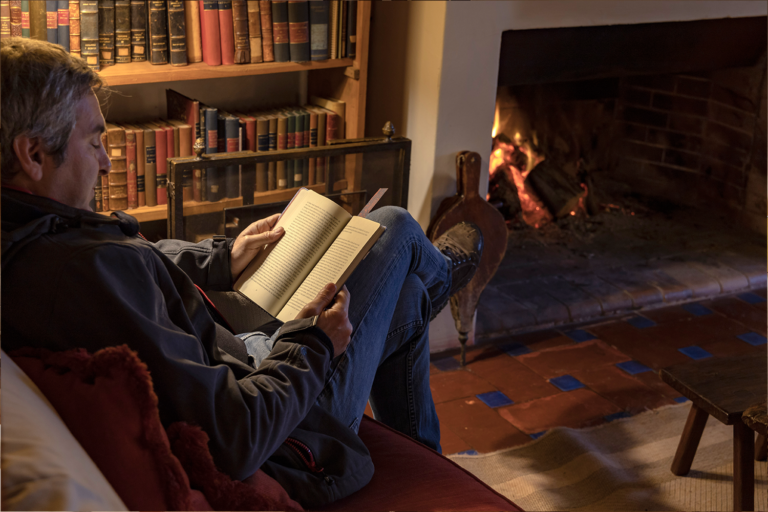
The main house has a living room with a fireplace and large windows looking out over the gallery, the garden, and the pool; a reading nook; an honesty bar; and a dining room where, sooner or later, I ended up hearing a family story I won’t forget.

The Table at Los Patos

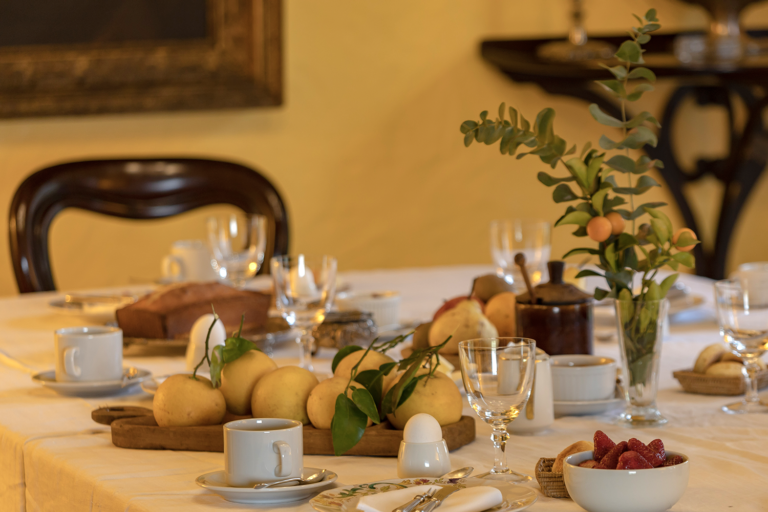
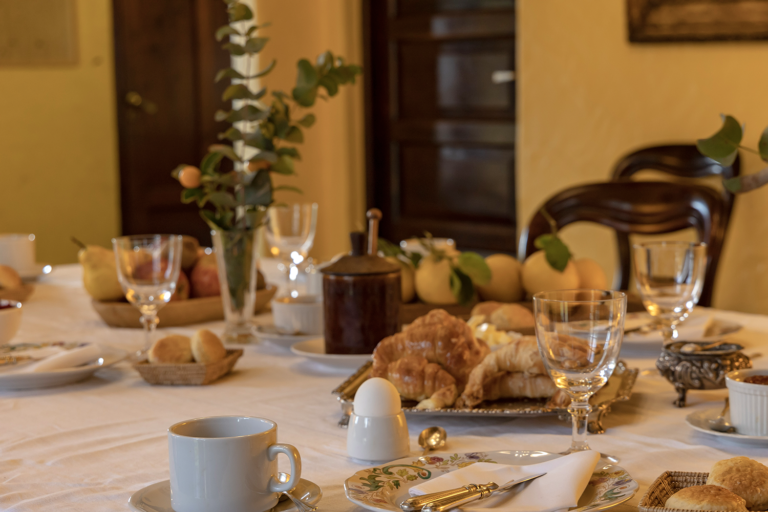
And then there’s the food. There, every breakfast, lunch, afternoon tea, and dinner is made by hand, by the estancia’s own staff — many of whom have been working in that kitchen for years, decades in some cases. This isn’t catering, and it isn’t a chef passing through. It’s people who know the house, know the family, and cook with the kind of wisdom that only comes from experience.

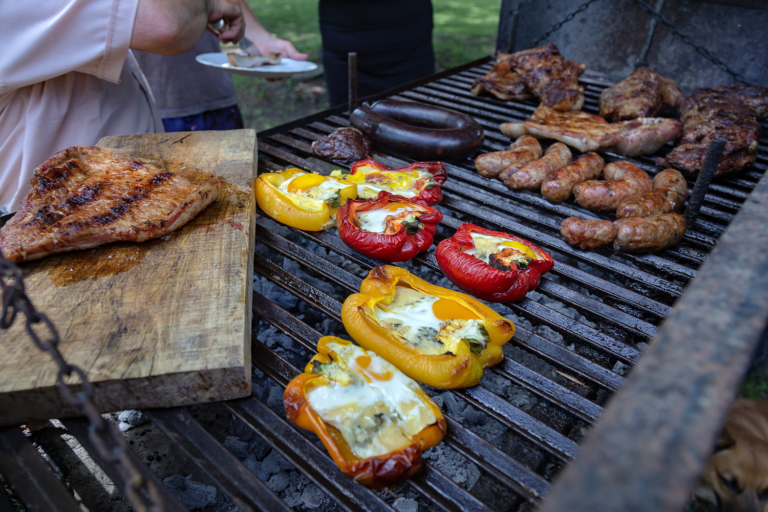
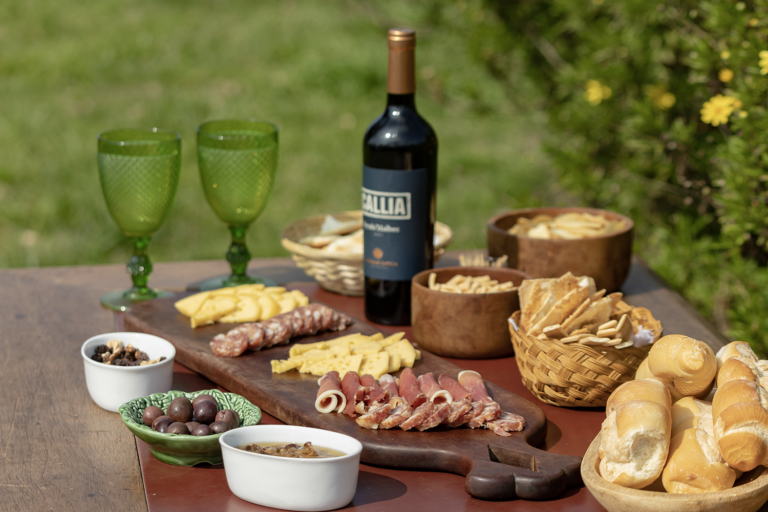
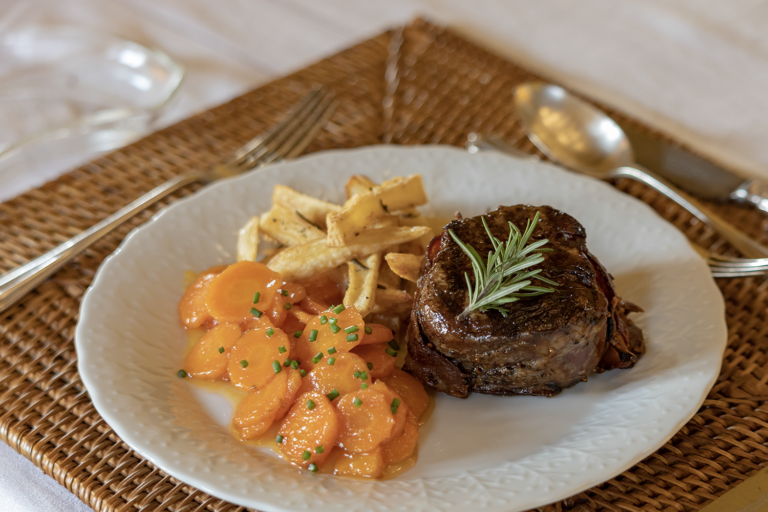
The vegetables come straight from the estancia’s own gardens, all organic. The dishes are classic Argentine fare, made the way they’re truly meant to be made, by expert hands that long ago stopped needing a recipe. I had the asado — because of course there’s asado at Los Patos — made with beef from the very cattle grazing the fields I rode through on horseback. I rarely eaten something so close to its source.

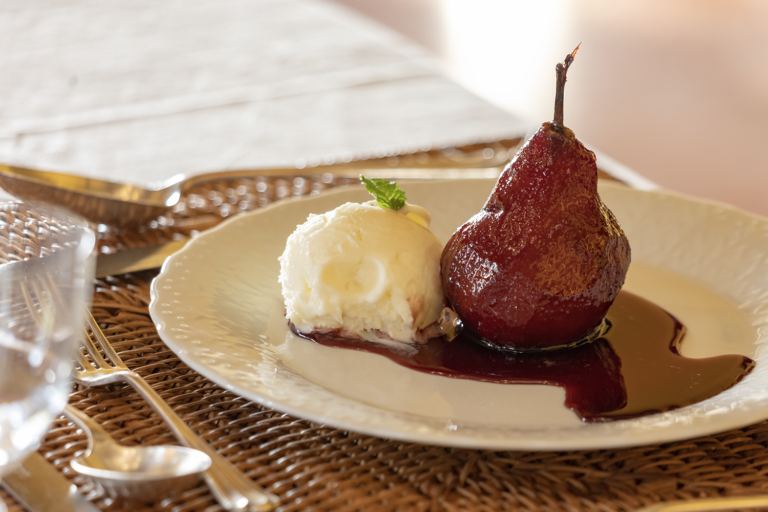
And that’s where I finally tasted, properly done, the Argentine flavors everyone talks about but rarely gets to try at their best: alfajores de maicena (a cornstarch-based dough) filled with dulce de leche, so soft they melted in my mouth; empanadas with the meat hand-chopped with a knife — not ground, the way it’s supposed to be; and croissants unlike any I’d had before, the kind that make you wonder how something so simple can turn out so good.

What I Took With Me

Estancia Los Patos didn’t impress me with luxury. It impressed me with something much harder to fake: authenticity. The kind that comes from a family that has stood on the same land for two and a half centuries, and still welcomes you like a friend they haven’t seen in a while.

I still think about going back. Ángel told me the door will always be open. And so will the pampa.

What Other Guests Have Said

You don’t have to take just my word for it. Hear it from others who’ve lived it too:

“I never thought I would be herding cattle with gauchos in my entire life. And the fact that I got to do it with such nice people was glorious. Los Patos is one of the most amazing places I have seen.” — Don Atkins

“We were able to live, however briefly, a true Argentine estancia lifestyle. The attentive staff, adorable pets, and gorgeous horses made our stay a memorable one. Being able to swing a polo mallet and actually hit the ball was thrilling — one cannot imagine doing that at a full gallop!” — Susan Graf and Robyn Ridder

I still think about going back. Ángel told me the door will always be open. And so will the pampa.

Luxury travel acorss South America
Designed with care and delivered flawlessly
IDEAS SOUTH AMERICA LLC

Less Is More: A Day in the Mountains with Colo Ziffer

Less Is More:
A Day in the Mountains with Colo Ziffer

SEPTIEMBRE 2026

"The mountains are calling, and I must go." — John Muir

There’s a moment, just before sunrise, when the Patagonian forest still holds the dampness of night. It’s in that silence — broken only by the call of a chucao hidden somewhere among the coihue trees — that Gabriel “Colo” Ziffer feels most himself. Mountain guide, internal martial arts instructor, Traditional Chinese Medicine therapist… but above all, a man who grew up watching the world from a mountainside.

“It’s not just a landscape for your eyes,” Colo says. “It’s a place to listen, to smell, to feel with your whole body.”

And that’s exactly the journey he invites you into.

The Patagonia the World Is Looking For

We live plugged in. Notifications, screens, noise. And yet, more and more people are choosing Patagonia as a destination — not for the photos, but for something deeper: the chance to unplug from the mental WIFI and reconnect to nature’s original grid.

Colo understood this before most. Immersed in a pristine natural environment from a very early age, he spent years turning that early experience into what he calls “body-awareness” — a way of being present that isn’t explained, it’s walked.

Today, his purpose is simple and powerful: to share that way of feeling with the people who join him on the mountain.

A Day on Cerro López

It starts quietly, in the hotel lobby. A coffee, a few words of welcome, and Colo’s first question, half a joke and half an invitation: “Ready to leave your phone in your pocket?” By the time the transfer reaches the base of Cerro López, something has already begun to loosen.

Then come the first steps into the forest, and with them, a kind of hush. The trail winds beneath centuries-old coihue trees and tall lengas, the ground soft underfoot, the light filtering green and gold through the canopy. Somewhere below, Lake Nahuel Huapi starts to glimmer through the trunks, more felt than seen — a promise of what’s still to come. As the climb continues, the forest thins, the air turns lighter and cooler, and the body starts to work in a way it rarely gets to anymore: breath deepening, legs finding their rhythm, mind quieting without being told to. If you’re lucky, an Andean Condor drifts across the sky right above you, and for a moment you feel exactly how small — and how present — a person can be.

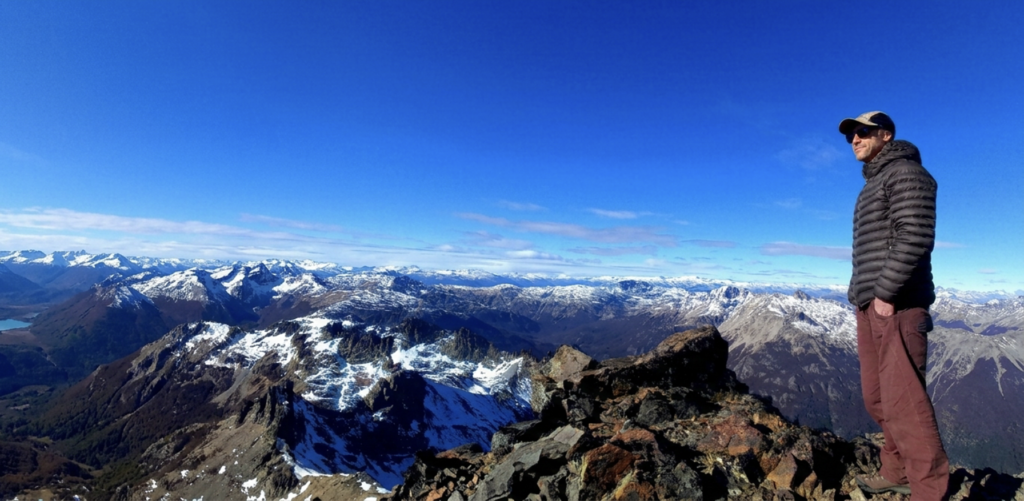
Then, all at once, the trees fall away and the view opens completely. Nahuel Huapi and Lake Moreno stretch out below in shades of emerald and azure, the Andes rising behind them in a way no photograph ever quite holds onto. You just stand there. Nobody rushes this part.

Coming down off that high, hunger sets in, and the Roca Negra Refuge feels less like a stop on a route and more like a reward — simple food, mountain warmth, and the kind of easy conversation that only happens once everyone’s body is a little tired and their mind is a lot quieter than it was that morning.

The walk back down is never quite the same walk as the one up. Legs are heavier, but somehow the mind feels clearer, more spacious. You notice things you missed on the way in. By the time the hotel comes back into view, the city is still there, exactly as you left it — but you’re not, not entirely.

Why Come

You don’t need to be an experienced mountaineer. All it takes is the willingness to slow down for a day. Colo doesn’t offer an excursion — he offers a different way of inhabiting your own body, guided by someone who knows every stone on the trail because, in a sense, he’s never stopped walking it.
Patagonia won’t wait forever in its purest form. But today, it’s still calling.

Will you answer?

Luxury travel acorss South America
Designed with care and delivered flawlessly
IDEAS SOUTH AMERICA LLC